


Contact Information
-
MAILING : P.O. Box 8, Los Olivos, CA 93441
A reflection facilitated by Admissions Associate Jasmine Fullman
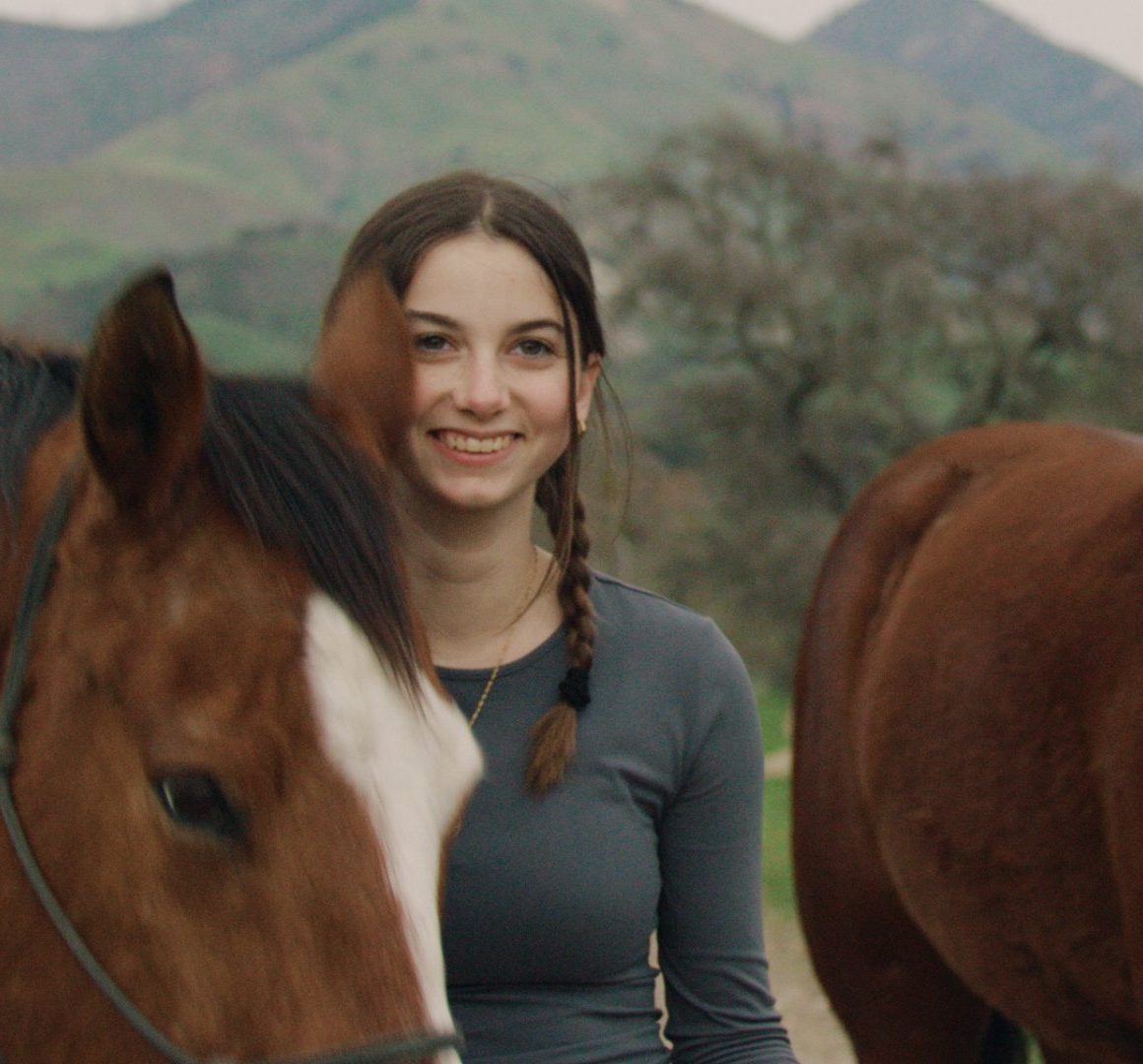
When Quinby ’27 first arrived at Midland, horses were not part of her world.
“I had gone on a couple trail rides,” she says. “But honestly, I was kind of put off by it. It felt like this really expensive, unapproachable world.”
That changed in the barn.
What began as time working there, part of Midland’s hands-on approach to responsibility, quickly became something more.
During one of her first days, Quinby found herself in a stall with a grooming bucket labeled Forrest, unsure how to even approach him. By the time she figured it out, she was standing still with his head resting on her shoulder.
“I was like, ‘Hi, horse… I don’t know what I’m doing,’” she laughs.
Not long after, she came back. Not because it was easy, but because something about the experience stayed with her.
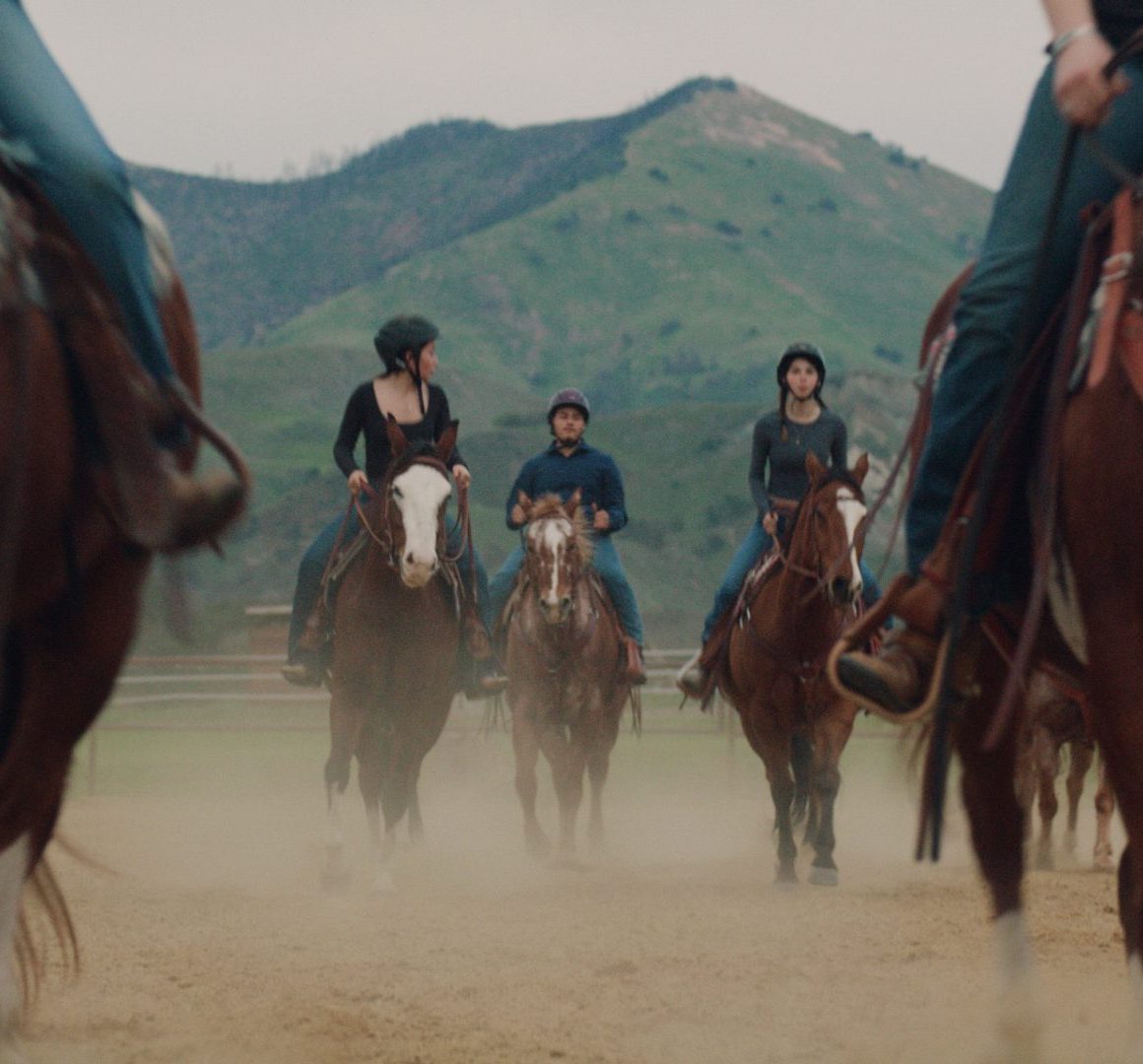
“I remember seeing three students riding out on a trail ride together without an adult,” she says. “That just seemed so cool to me. I wanted that kind of freedom.”
That moment marked the beginning of something that would shape her time at Midland.
At Midland, the horse program is not just about riding. It starts with care.
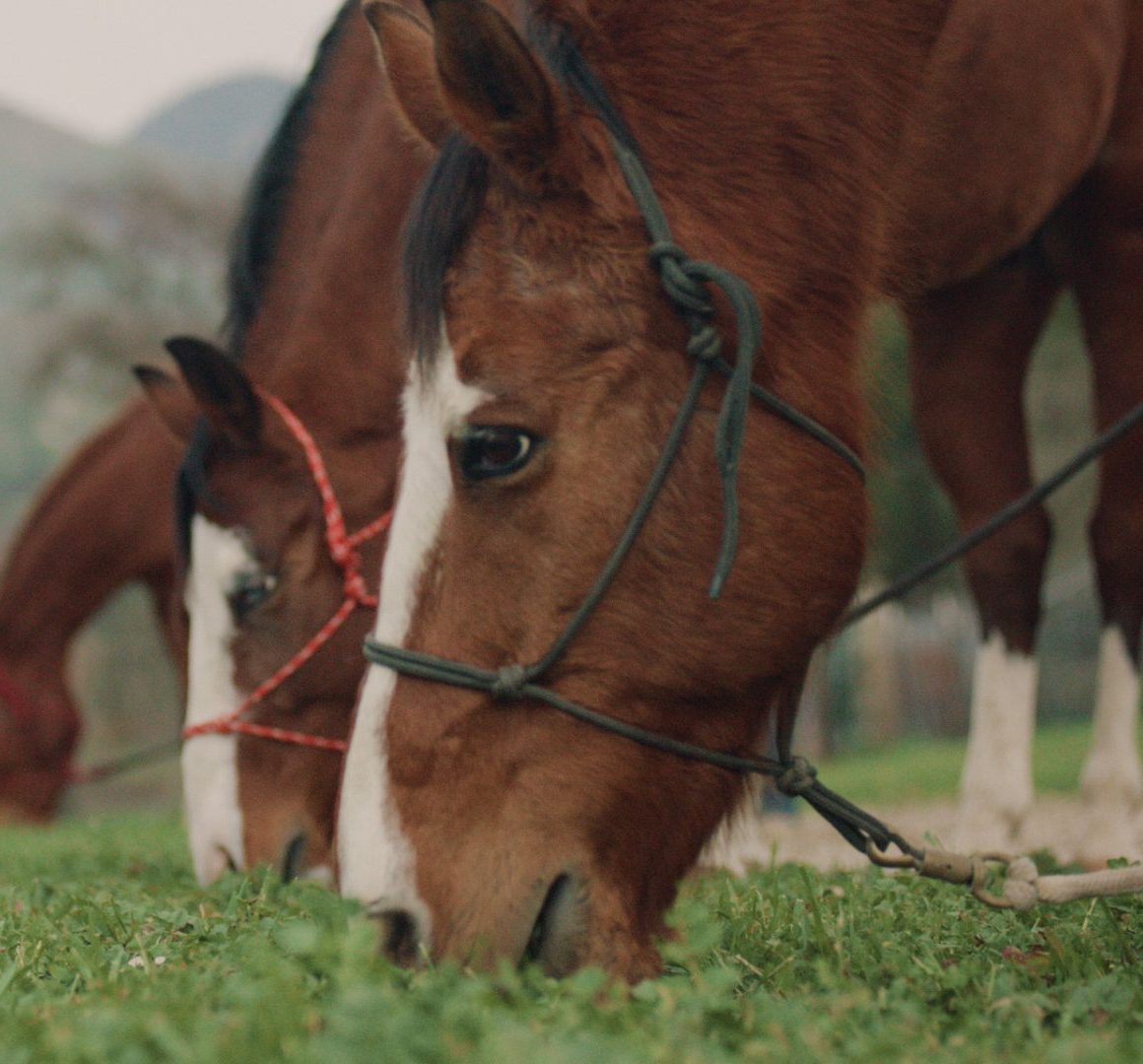
Students feed horses twice a day, monitor their health, manage herd dynamics, administer medication, and respond to the day-to-day realities of working with animals.
“It’s understanding your impact,” Quinby explains. “Making sure every horse is okay, paying attention to how they’re acting, knowing how to respond when something goes wrong.”
Coming to Midland as an only child who hadn’t had many daily responsibilities at home, the shift was real.
“Having our herd’s care fall on me and other students in the program completely changed how I think about responsibility,” she says. “It taught me how to take care of something else, not just myself.”
Quinby’s relationship with horsemanship built slowly.
As a freshman, she didn’t ride. She spent time getting comfortable, learning how horses move and communicate. She was paired with Forrest, the horse she still works with today.
“I just thought he was funny,” she says. “He’d fall asleep and I’d just mess around with him and he wouldn’t even notice.”
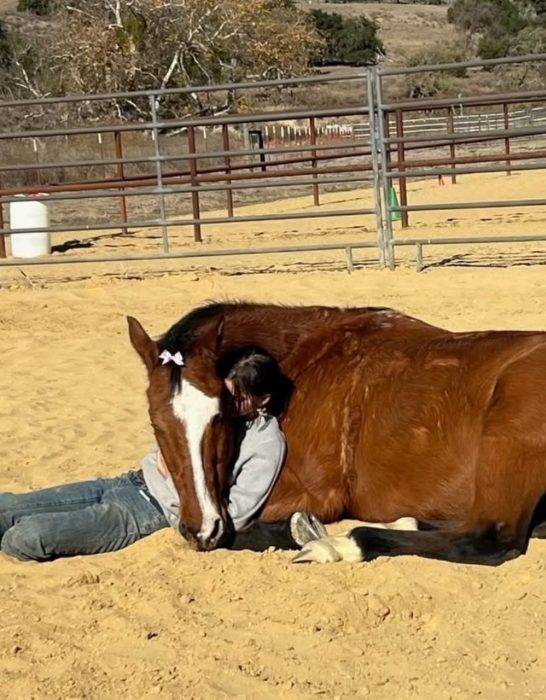
Eventually, she began riding.
“I remember the first time I rode him,” she says. “I was crying. It felt like such a big moment.”
Not everything came easily. After a fall this year, rebuilding confidence became one of her biggest challenges.
“I had to learn to trust him again,” she says. “And also trust myself. Horses don’t want to hurt you, but they respond to your energy. If you don’t trust them, they feel that.”
That process of falling, adjusting, and trying again is a big part of how learning works here.
Over time, Quinby’s understanding of natural horsemanship changed
“At first, I thought it meant just letting the horse do what it would naturally do,” she says. “Now I think it’s about understanding their instincts and building a shared language.”
That language takes time.
“You reward small efforts. You allow mistakes, both yours and the horse’s,” she says. “You don’t expect perfection right away.”
Earning a horse’s trust is different from controlling it.
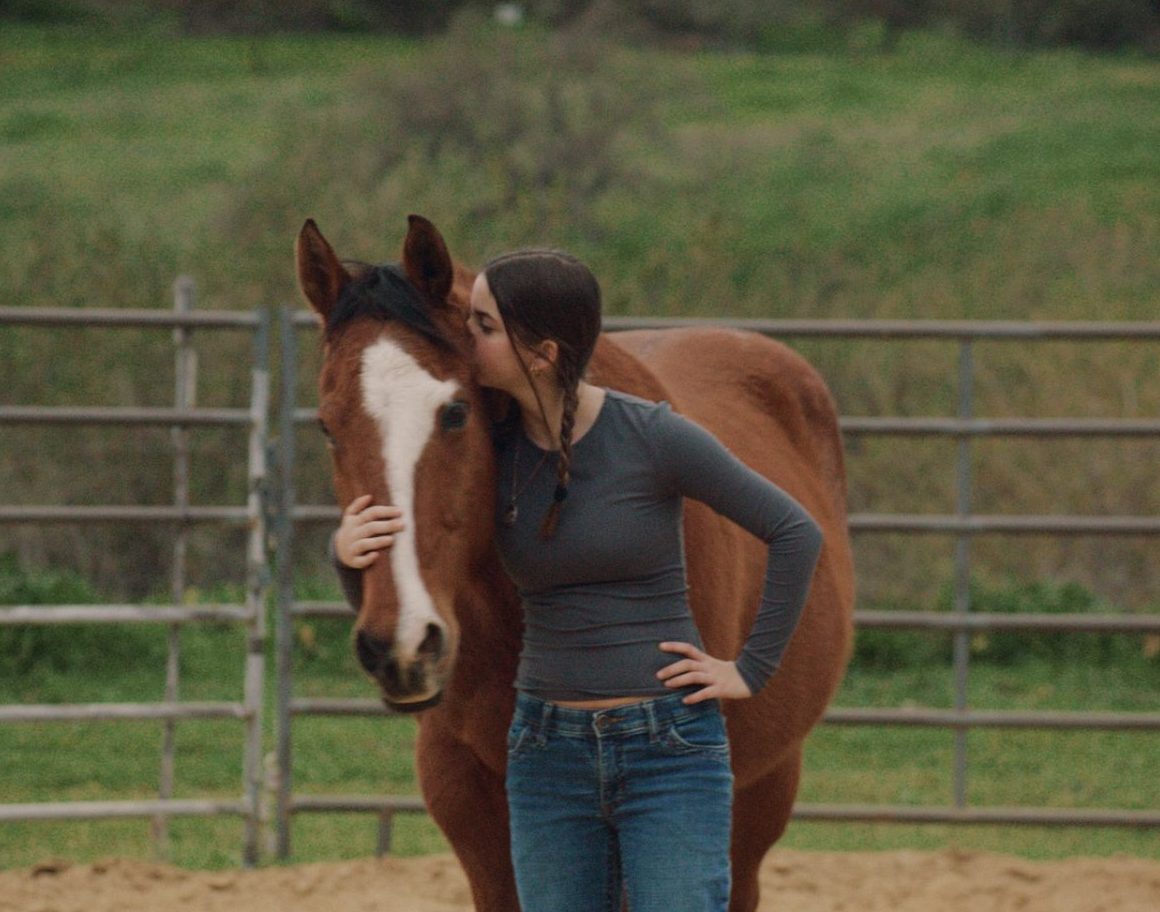
“You can’t force it,” she says. “When a horse chooses to trust you, when it lies down next to you or comes when you call, that’s everything.”
During her time at Midland, Quinby experienced a transition between two horse program directors, each with a different approach.
At first, it was hard.
“I don’t like change,” she says. “I was really worried about what it would mean for my relationship with my horse.”
Over time, she saw the value in both.
“One taught us how to understand the horse’s energy and instincts,” she says. “The other helped us build technical skills and structure.”
Together, those perspectives helped her grow.
“It taught me to give people a chance,” she says. “And to learn alongside my horse, not just try to apply instructions to him.”
Working with her own horse has shifted things again.
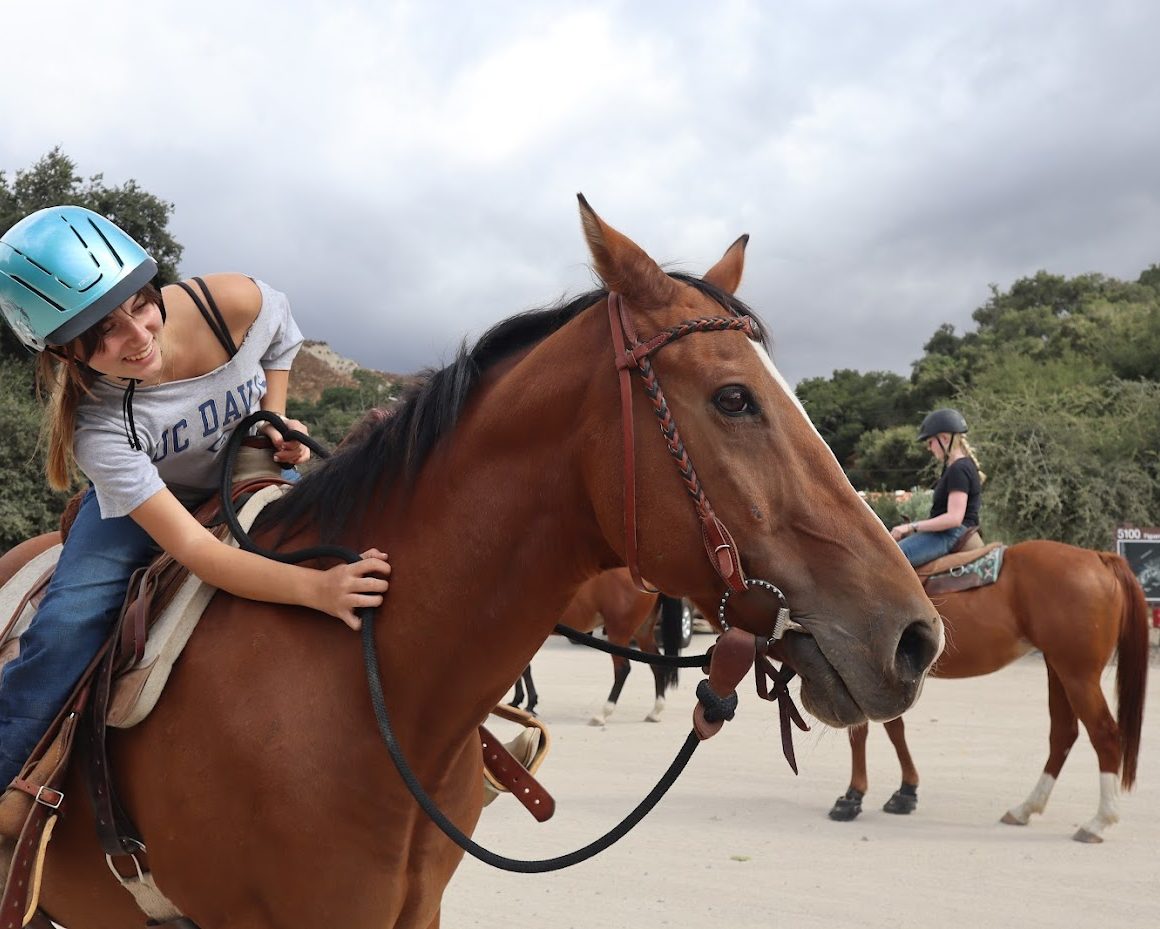
“It’s different because I get to decide what we work on,” she says. “What our goals are. What kind of partnership do we build.”
That ownership has deepened her connection to Forrest.
“I know him so well,” she says. “And I think he knows me, too. I can tell when I’m stressed or off because I see it reflected in him.”
The barn has also become a place she returns to.
“I can go from something stressful, like a test, straight to the barn,” she says. “And it changes everything. It grounds you.”
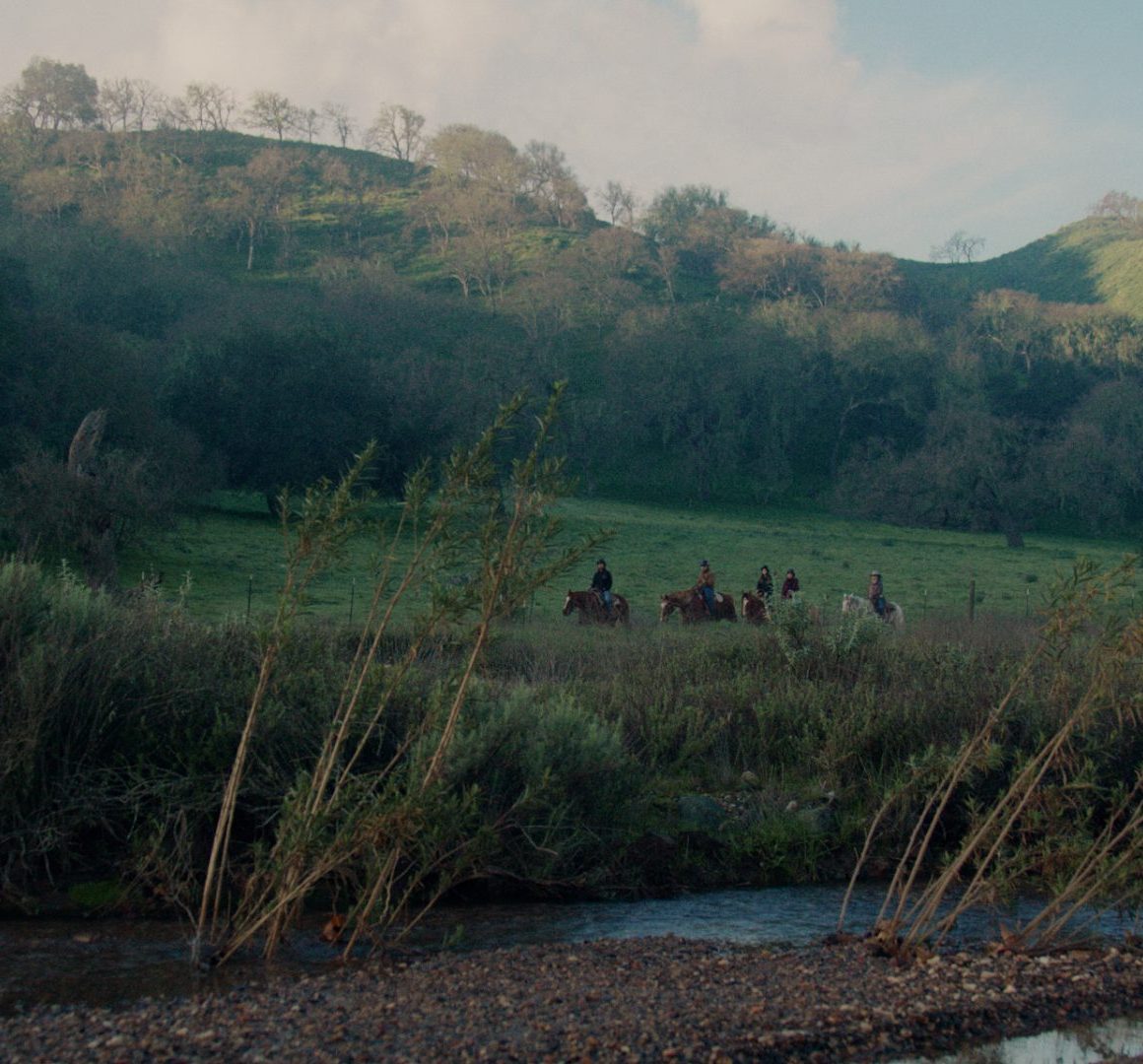
Quinby now hopes to pursue a future in animal science, with the goal of becoming an equine veterinarian.
“I wouldn’t have found that without the horse program,” she says.
More than that, the experience has changed how she approaches learning.
“It’s taught me patience. It’s taught me how to manage my energy. It’s taught me resilience,” she says. “And how to take responsibility for something bigger than myself.”
For students who might feel unsure about stepping into the barn, Quinby offers simple advice:
“It’s never going to hurt you to go out there and just meet the horses,” she says. “Bring an apple. Give it a chance.”
Because the experience can change you.
“If you let them,” she says, “they’ll change your life.”
As she looks ahead, Quinby knows what she’ll take with her.
Not just the technical skills.
Not just the confidence.
But what comes from doing something consistently over time.
“I’ve been responsible for 25 horses,” she says. “That makes me feel like I can handle whatever comes next.
Excited to learn more about the Midland Experience?
Continue exploring the Midland experience