
연락처 정보
-
우편: PO Box 8, Los Olivos, CA 93441
베로니카는 스토리텔링, 당뇨병 옹호, 아이들이 자신이 주목받는다고 느끼도록 돕는 것에 대해 이야기합니다.
2026년 봄
제가 처음 시니어 프로젝트에 대해 생각하기 시작했을 때, 저는 의학에 관심이 있고 앞으로 의예과를 추구하고 있기 때문에 건강 과학과 관련된 일을 하고 싶다는 것을 알았습니다.
동시에 저는 패밀리 스쿨에서 아이들과 함께 일하는 데 많은 시간을 보냈고, 아이들을 교육하고 지원하는 것을 정말 좋아한다는 것을 깨달았습니다. 그래서 엘리와 많은 대화를 나눈 후, 저는 1형 당뇨병에 관한 아동 도서를 쓰게 되었습니다.
이 프로젝트는 또한 제1형 당뇨병이 어린이에게 미치는 사회 정서적 영향에 관해 제가 쓴 논문과 연결되어 모든 것이 자연스럽게 엮이기 시작했습니다.
제 1 형 당뇨병을 안고 사는 것이 실제로 어떤 것인지 설명하는 더 창의적이고 접근하기 쉬운 방법처럼 느껴졌다고 생각합니다. 많은 어린아이들이 인슐린 펌프나 혈당 측정기를 보면 질문을 하는데, 사람들이 당뇨병이 무엇인지 이해하지 못하기 때문에 호기심이 혼란이나 두려움으로 변하는 경우가 얼마나 빠른지 알게 되었습니다.
저는 위로와 교육을 동시에 느낄 수 있는 무언가를 만들고 싶었습니다 — 특히 진단을 받은 후 겁을 먹거나 다를 수 있는 아이들을 위해.
책의 이름은 공주와 펌프. 제1형 당뇨병 진단을 받은 아나스타샤라는 어린 공주의 이야기를 따릅니다. 처음에 그녀는 압도 당하고 두려움을 느끼지만 시간이 지남에 따라 관리 방법을 배우고 인슐린 펌프를 장식하고 결국 자신에 대해 더 자신감을 갖게됩니다.
이야기가 끝날 무렵, 그녀의 꿈은 사람들이 한때 그녀를 도왔던 것과 같은 방식으로 다른 아이들을 돕는 것이됩니다. 확실히 제 경험의 일부에서 영감을 받은 것입니다.
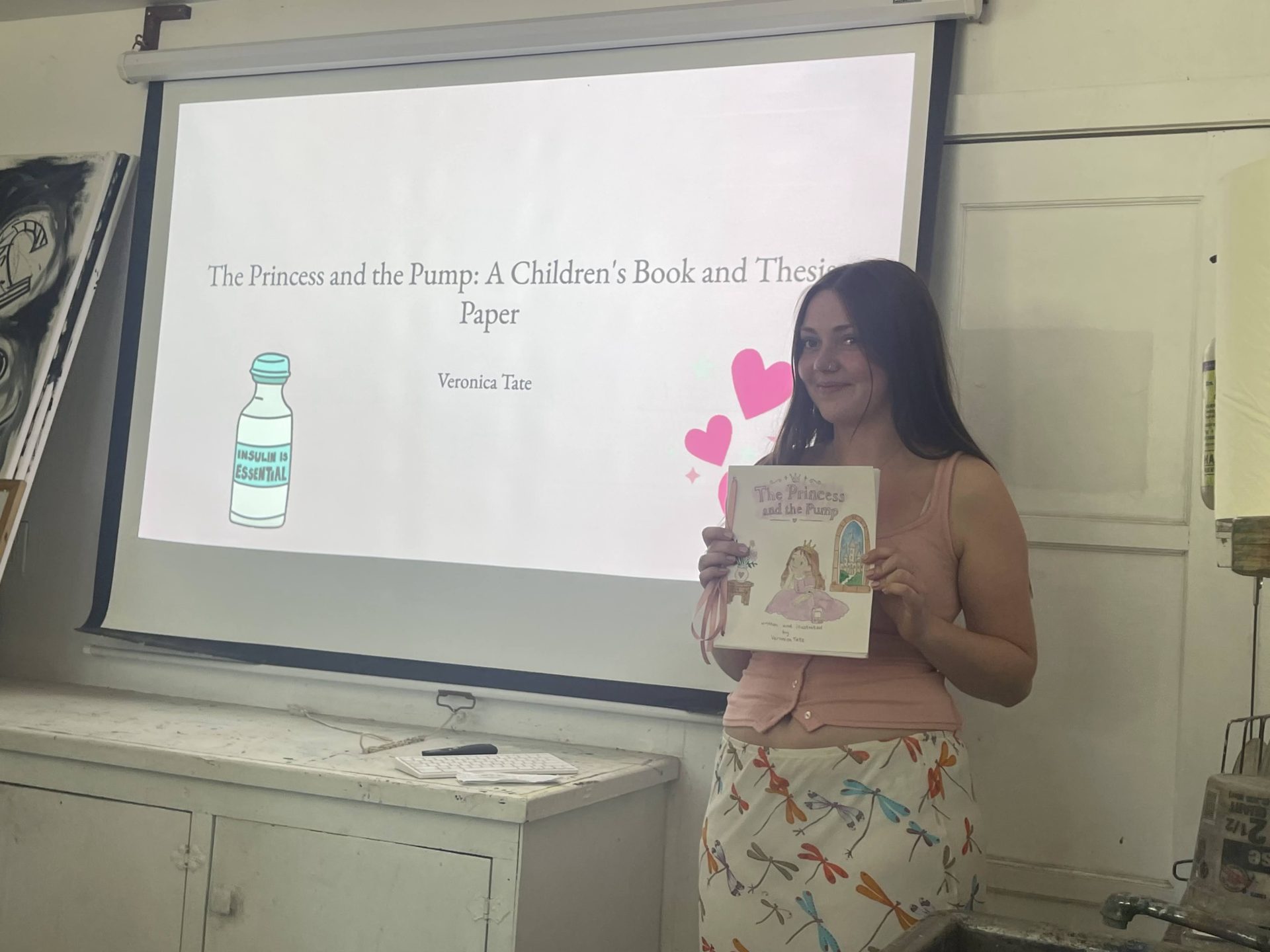
Veronica는 수석 심포지엄에서 자신의 프로젝트를 발표합니다
확실히。 지난 여름 저는 의료 프로그램을 통해 케냐의 내분비학자와 함께 일했고, 진료소를 관찰하고 당뇨병 교육자들과 함께 일하게 되었습니다. 나는 그들이 그림, 책, 시각적 도구를 사용하여 어린이와 가족에게 당뇨병을 설명하는 것을 보았고, 아이들이 갑자기 더 차분하거나 더 이해받는 것을 보는 것은 나에게 믿을 수 없을만큼 의미있게 느껴졌습니다. 저는 그 경험이 의료 분야에서 교육과 공감이 얼마나 강력한지를 확실히 보여주었다고 생각합니다.
나 제가 아주 어렸을 때, 두 살쯤 되었을 때 진단을 받았기 때문에 당뇨병은 항상 제 삶의 일부였습니다.
제가 코네티컷에 살았을 때, 제 반에는 제1형을 앓고 있는 다른 아이들이 여러 명 있었기 때문에 매우 정상화된 느낌을 받았습니다. 하지만 캘리포니아로 이사한 후, 많은 아이들이 그것을 전혀 이해하지 못한다는 것을 깨달았습니다.
사람들이 때때로 두려움이나 낙인, 오해로 반응했기 때문에 어렸을 때 그것은 어려웠습니다. 저는 그러한 경험이 제가 이 프로젝트를 만들고 싶었던 큰 이유라고 생각합니다.
사람들이 유형 1을 가진 아이들이 다른 모든 것 외에도 매일 얼마나 많은 것을 관리하고 있는지 이해했으면 좋겠습니다. 그리고 당뇨병이 수치심이나 낙인을 가져서는 안 된다는 것을 사람들이 이해했으면 좋겠습니다. 사람들이 아무렇지도 않게 하는 많은 댓글은 이미 어려운 일을 헤쳐나가려고 열심히 노력하고 있는 아이들에게 실제로 큰 상처를 줄 수 있습니다.
더 많은 이해와 친절은 큰 변화를 가져옵니다.
나는 두려움과 안심을 모두 포함하고 싶었습니다. 진단을 받는 것은 특히 어린이들에게 정말 압도적이고 무섭게 느껴질 수 있습니다. 저는 그 현실을 완전히 피하고 싶지 않았습니다. 하지만 저는 또한 이 이야기가 모든 것이 다시 괜찮아질 수 있다는 것을 보여주고 싶었고, 이를 극복하는 데 도움을 줄 사람들이 있다는 것을 보여주고 싶었습니다. 책은 확실히 희망적인 분위기로 끝난다.
실제 이야기를 쓰는 것은 제가 포함하고 싶은 아이디어와 경험이 너무 많았기 때문에 매우 자연스럽게 이루어졌습니다. 일러스트레이션은 어린 아이들에게 따뜻하고 매력적인 느낌을 주고 싶었기 때문에 처음에는 솔직히 더 위협적이었습니다. 저는 패밀리 스쿨의 2, 3학년 학생들을 관찰하면서 그들이 어떤 종류의 책과 그림에 반응하는지 알아보는 데 많은 시간을 보냈습니다. 아이들 중 일부는 제가 헌정 페이지에서 영감으로 사용한 그림을 주기도 했습니다.
솔직히 미들랜드는 아마도 이런 프로젝트를 위한 완벽한 장소였을 것이다. Jess와 Ellie는 둘 다 그 과정 전반에 걸쳐 믿을 수 없을 만큼 지지적이었습니다. 그들은 더 안전하거나 전통적인 주제를 선택하는 대신 의미 있고 개인적인 것을 추구하도록 정말로 격려했습니다. 저는 미들랜드가 학생들이 자신의 정체성, 경험, 관점을 의미 있는 방식으로 공유하는 것을 진심으로 소중히 여긴다고 생각합니다.
솔직히, 아마 아닐 겁니다. 미들랜드는 자기 성찰과 개인적인 탐구를 위한 많은 공간을 만듭니다. 이곳 사람들은 학생들이 자신의 의견을 듣고 이해받는다고 느끼기를 정말로 원합니다. 다른 곳에서는 이렇게 개인적이고 감정적으로 의미 있는 일을 추구할 수 없었을 것 같아요.
제 1 형 당뇨병을 앓고있는 아이들이보고 이해받는다고 느끼기를 바랍니다. 그리고 당뇨병이 없는 아이들에게는 자신과 다른 경험을 할 수 있는 사람들에 대해 더 많은 공감과 호기심, 친절함을 가지고 떠나길 바랍니다.
저는 이 책의 일부를 부모와 보호자에게 바쳤습니다. 왜냐하면 그들도 너무 많은 일을 겪기 때문입니다. 아이가 진단되면 온 가족에게 영향을 미칩니다. 저는 보호자들이 인정받고 감사받는다고 느끼기를 진심으로 바랐습니다. 왜냐하면 그들은 아이들이 모든 것을 헤쳐나갈 수 있도록 돕는 데 매우 중요한 역할을 하기 때문입니다. 솔직히 말해서 그들은 일종의 슈퍼히어로예요.
그것은 제가 스토리텔링과 교육을 얼마나 좋아하는지 가르쳐 주었습니다. 나는 사람들이 동정심 많고 접근하기 쉬운 방식으로 어려운 것을 이해하도록 돕는 것을 정말 좋아한다는 것을 깨달았습니다. 그것은 나에게 정말 의미 있는 발견이었습니다.
이 프로젝트는 이러한 이해관계의 교차점에 바로 자리잡고 있습니다. 저는 과학과 의학을 사랑하지만, 아이들과 정서적 지원, 교육에도 깊은 관심을 갖고 있습니다. 치료의 의학적 측면과 정서적 측면을 모두 이해하는 것이 정말 중요하다고 생각합니다. 궁극적으로 나는 단지 사람들 –특히 아이들 – 이 듣고지지받는다고 느끼기를 바랍니다.
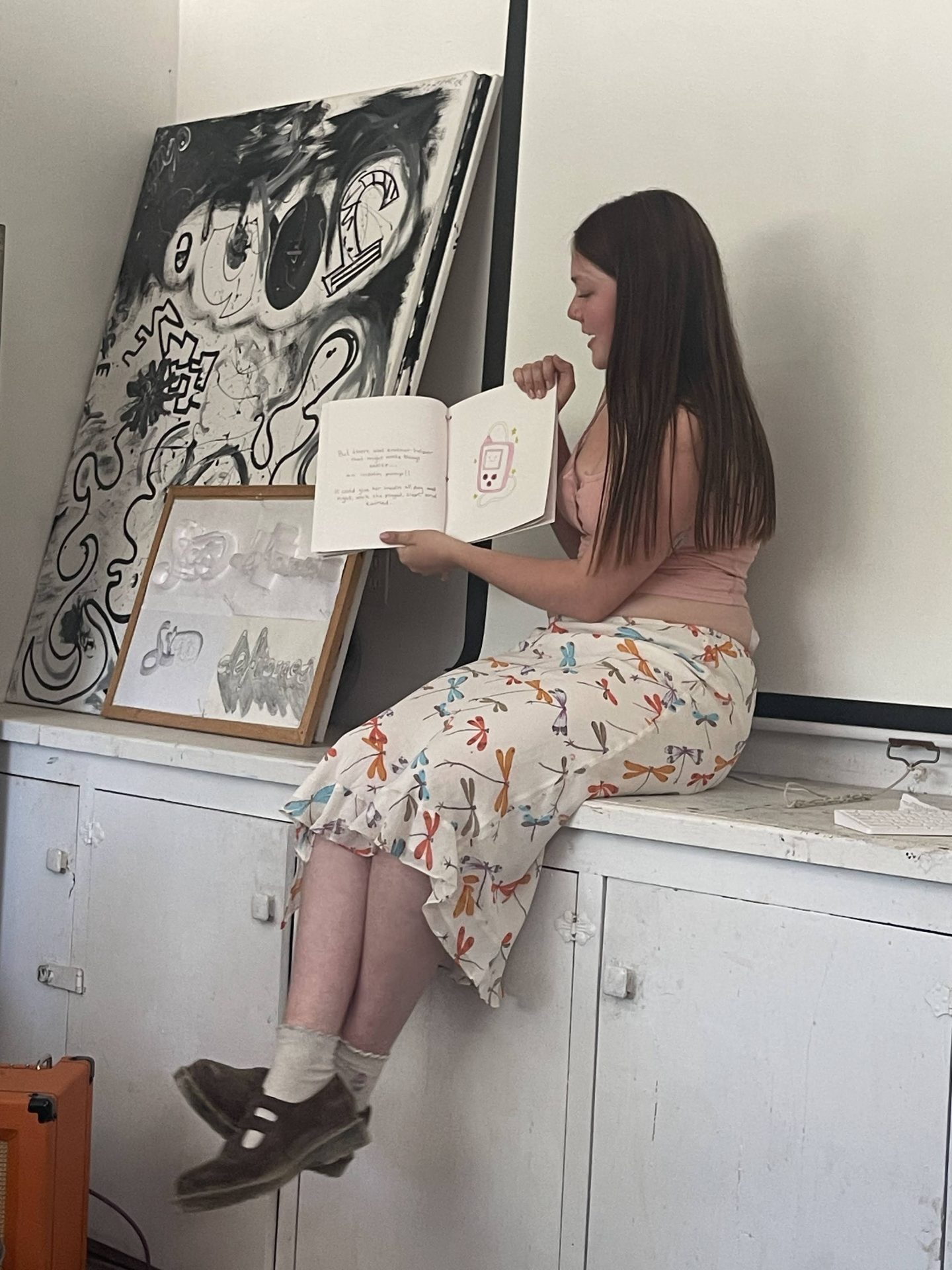
베로니카가 처음으로 청중에게 자신의 책을 읽어주는 모습
모든 것이 괜찮을 것이라는 것. 처음에는 어렵고 무섭지만, 당신을 걱정하고 돕고 싶어하는 사람들이 너무 많습니다. 그리고 필요할 때 지원을 요청하는 것은 전혀 잘못된 것이 아닙니다.
엄마가 미들랜드에 가셨음에도 불구하고 여기에 오기 전에 솔직히 정말 긴장했어요. 하지만 첫 주 안에 사람들이 얼마나 친절하고 환영하는지 깨달았습니다. 나이 많은 학생들은 즉시 나를 데려 갔고, 내가 편안하고 포함 된 느낌을 갖도록 도와주었습니다.
어느 날 배구를 하러 걸어가다가 갑자기 “나는 정말로 여기에 속해 있다.”는 것을 깨달았던 기억이 납니다 그 느낌은 미들랜드에 있는 동안 내내 나와 함께 있었습니다.
Jasmine Fullman, 입학 담당자 작성