
Información de contacto
-
CORREO: PO Box 8, Los Olivos, CA 93441
Primavera 2026
En un tramo más tranquilo de la granja de Midland, más allá de las hileras de cultivos anuales, algo nuevo está empezando a tomar forma. Aún no parece un jardín terminado. El suelo todavía es visible en algunos lugares y las plantas son pequeñas y dispersas. Nada en ello parece completo. Es temprano, desigual y todavía está encontrando su ritmo.
Para River ’26, eso es exactamente lo que lo hace significativo. “Este es el comienzo”, dice River. “Este será el resto de mi vida.”
Lo que comenzó como un proyecto senior, transformando aproximadamente medio acre en un jardín nativo perenne, se ha convertido en algo más que un requisito académico. El objetivo original era simple: introducir plantas que regresen año tras año, especies que ya pertenecen a este entorno. Pero el proceso de construcción se convirtió en algo más personal, un punto de inflexión que ayudó a aclarar a qué tipo de trabajo parecía que valía la pena comprometerse.
El trabajo de River ya ha sido reconocido más allá del campus. Junto con la profesora de ciencias de Midland, Bella Marill, River fue nombrado miembro del “Green 15” del condado de Santa Bárbara en honor a las personas que generan un impacto significativo en la gestión ambiental. El reconocimiento importa, pero no es la razón por la que el trabajo importa.
Cuando River llegó por primera vez a Midland, había cierto interés en la agricultura, pero aún no había mucha dirección. “Había estado cultivando cosas antes de Midland,” dice River, “pero realmente no sabía lo que estaba haciendo. Ni siquiera podía saber cuándo algo estaba maduro.” Eso empezó a cambiar en la vida diaria en Midland. Clases como Midland 101, el tiempo dedicado a trabajar en la granja y las conversaciones con profesores y miembros de la comunidad jugaron un papel. Más que nada, fue el acto de hacer el trabajo, día tras día, lo que hizo que las cosas empezaran a funcionar.
“Midland ha sido realmente mi trampolín para encontrarme a mí mismo”, dice River. “Descubrir con qué quiero estar, qué quiero aprender y qué es lo que realmente me importa.”
En el último año, esa pregunta parecía más inmediata. ¿Qué quieres seguir y qué tipo de trabajo vale la pena dedicarle? Para River, la respuesta llegó a través del proyecto en sí. “Cuando llegué aquí, realmente no teníamos plantas perennes ni hierbas en la granja”, dice River. “Quería cambiar eso.”
Al principio, la idea parecía sencilla: crear un espacio que incorpore plantas nativas de larga vida a un sistema que se restablezca cada estación. En la práctica, fue más complicado de lo esperado.
“No lo planeé todo”, dice River. “No había pensado en el riego, ni en cuánto tiempo duraría la germinación, ni en qué pasaría si las cosas no sobrevivían.” Algunos de ellos no lo hicieron. “No cumplí con mis propias expectativas”, dice River. “Por un tiempo, eso fue difícil.”
Con el tiempo, esa se convirtió en una de las partes más importantes de la experiencia. “Hay algo gratificante en fracasar y poder intentarlo de nuevo”, dice River. “No tiene ninguna calificación, pero significa más.”
Ese cambio, de intentar hacerlo bien a aprender a través del proceso, es parte de lo que define el trabajo. Lo que surgió del proyecto no fue sólo un jardín, sino una forma diferente de pensar. “Nunca hay una respuesta correcta”, dice River. “Cada decisión afecta a otra cosa.” Esa constatación se sitúa en el centro del trabajo ambiental, donde los sistemas están estratificados y cambian constantemente.
“La naturaleza es muy compleja”, explica River. “Siempre hay algo que no estamos viendo.”
También dio forma al enfoque de River en las plantas nativas, no sólo como una elección de diseño, sino como una forma de abordar la sostenibilidad de manera más reflexiva. “Dependemos de un porcentaje muy pequeño de plantas comestibles como humanos”, dice River. “Hay mucho más ahí fuera, especialmente plantas que ya prosperan en un lugar sin dañar el ecosistema”
En lugar de intentar controlar el sistema, el proyecto gradualmente se centró en comprenderlo y trabajar con él. También había una motivación más personal detrás del trabajo. “He notado que menos personas se involucran con la granja”, dice River. “Pero la agricultura es lo que nos sostiene a todos.”
En lugar de abordar eso como un problema a señalar, River lo vio como algo a lo que responder. “Quería dejar algo atrás”, dice River. “Algo que pueda despertar la curiosidad de la gente y atraerla aquí.”
Ya está empezando a suceder. Los estudiantes se reúnen en el espacio por las noches. Pequeñas plantas están atravesando el suelo y especies familiares como las amapolas de California y la salvia están comenzando a afianzarse. Aún es pronto, pero la dirección está ahí.
Con el tiempo, River imagina que el espacio se vuelve más establecido. Viñas trepando por el geodomo, lugares sombreados para sentarse y un diseño que invita a la gente a quedarse en lugar de pasar. “Quiero que los futuros habitantes de Midlands sientan lo mismo que yo por la granja”, dice River.
Proyectos como éste no ocurren de forma aislada. La tutoría jugó un papel importante, desde la orientación en el aula hasta el apoyo práctico en la construcción del espacio. Bella Marill, también reconocida como parte del Green 15, refleja el tipo de enseñanza que alienta a los estudiantes a asumir trabajos complejos y abiertos.
En Midland, esas oportunidades están presentes, pero no prescritas. “No son forzados”, dice River. “Puedes elegir tomarlos o no.” Esa elección es parte de lo que hace que la experiencia sea significativa.
“Si escuchas algo, no se queda contigo”, dice River. “Pero si lo superas tú mismo, especialmente las partes difíciles, así es.” Esa idea está presente en gran parte del aprendizaje en Midland. No se trata sólo de absorber información, sino de interactuar con ella de una manera que deje un impacto duradero.
A medida que se desarrolló el proyecto, también lo hizo el sentido de dirección de River. Hubo otros intereses en un momento dado, incluidos el arte y la arquitectura. Eran atractivos, pero no conllevaban el mismo sentido de compromiso a largo plazo.
“Quería hacer algo que me encantara”, dice River. “Algo con lo que podría quedarme por mucho tiempo.” A través de este trabajo, esa respuesta quedó más clara. River asistirá a Cal Poly para estudiar ciencias vegetales, centrándose en la sostenibilidad y la complejidad de los sistemas ambientales.
“Esto parece algo que también me sostendría a mí”, dice River.
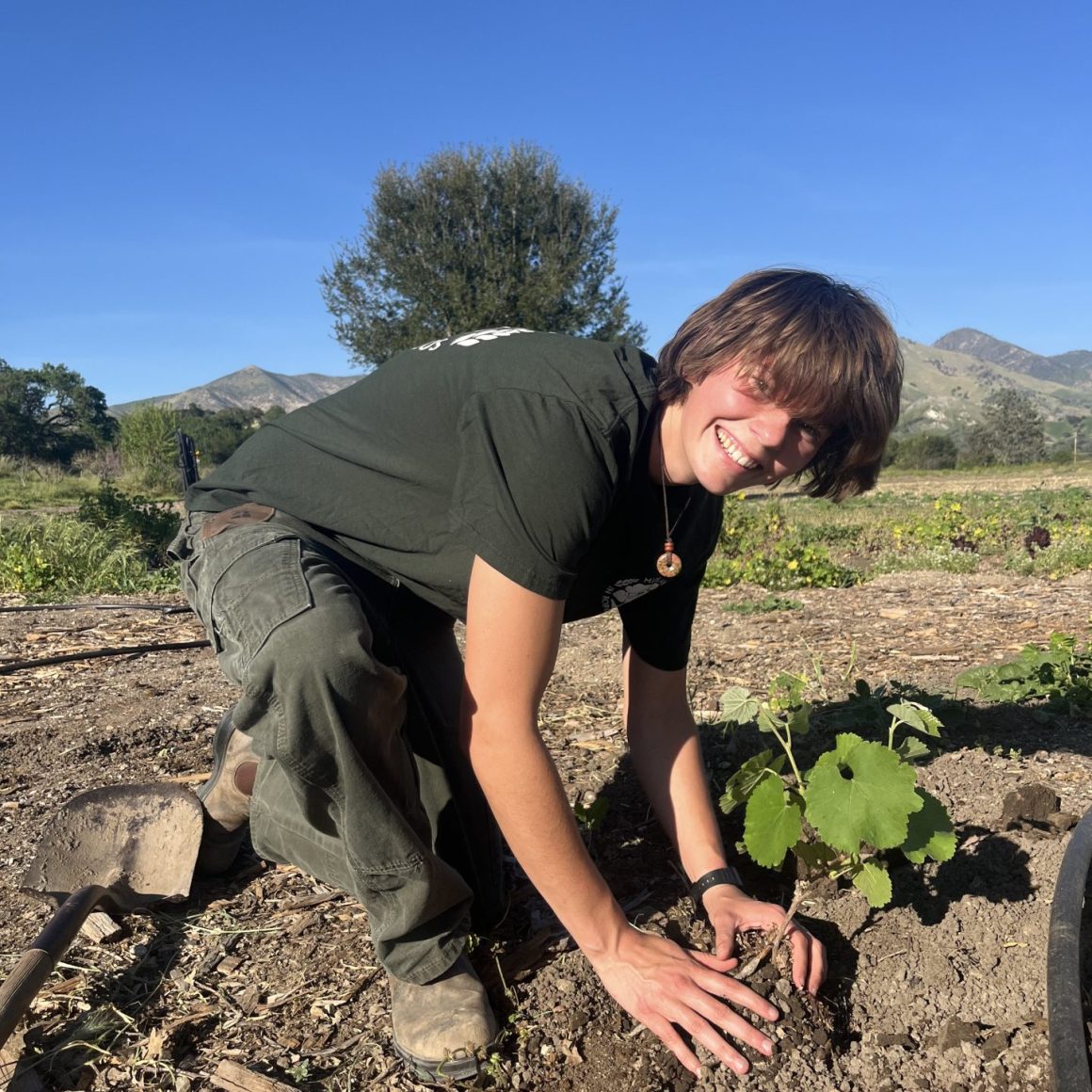
El jardín no está terminado. En muchos sentidos, refleja exactamente dónde se encuentra River ahora, todavía en las primeras etapas del proceso, todavía en desarrollo y lleno de potencial. Hay más que plantar, más que aprender y más que construir. Ese proceso continuo es parte de lo que le da sentido a la obra.
“Volveré y veré cómo ha crecido”, dice River. “Y creo que veré mi propio crecimiento en eso también.”
Para familias, ex alumnos y futuros estudiantes, el trabajo de River ofrece un claro ejemplo de lo que una educación en Midland puede hacer posible. No un resultado único ni una respuesta única, sino un proceso que ayuda a los estudiantes a descubrir lo que les importa, apropiarse de ello y comenzar a dar forma al tipo de impacto que quieren tener.
Lo que echa raíces aquí no termina aquí.
Escrito por Jasmine Fullman, asociada de admisiones